
Effective Home Care Techniques for Alleviating Neck Tightness
Jun 05, 2026·By V N


🧠 Neck Stiffness Relief — Quick Reference
Addressing neck stiffness requires a combination of self-care techniques, ergonomic adjustments, and gentle movement. The following guide outlines methods to alleviate discomfort based on common wellness practices.
1. Thermal Therapy: Heat & Cold
- Heat Therapy: Loosens tight muscles and increases blood flow. Use a heating pad (towel-wrapped) or a warm shower for 15–20 minutes.
- Cold Therapy: Reduces inflammation, especially after injury. Apply an ice pack or frozen vegetables wrapped in a cloth for 15–20 minutes.
Safety Tip: Always protect your skin with a cloth; avoid falling asleep with heat or cold applied.
🔥❄️ Heat vs Cold Therapy

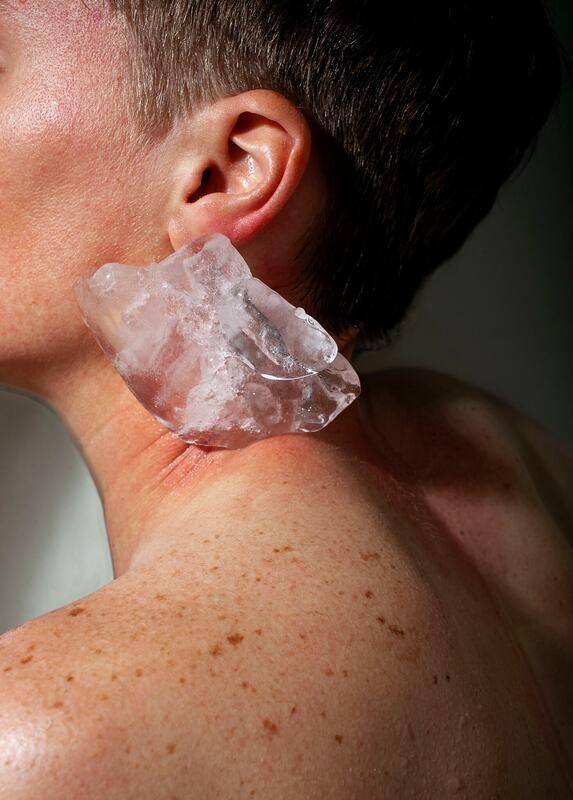
Use Heat (15–20 min):
- Muscle tightness
- General stiffness
- Pre-stretch warm-up
Use Cold (15–20 min):
- Inflammation
- Acute flare-ups (first 24–48 hrs)
✔ Tip: Always place a cloth between skin and heat/ice
2.🧘 Gentle Neck Exercises
Move slowly, avoiding jerky motions. Stop if you feel sharp pain.
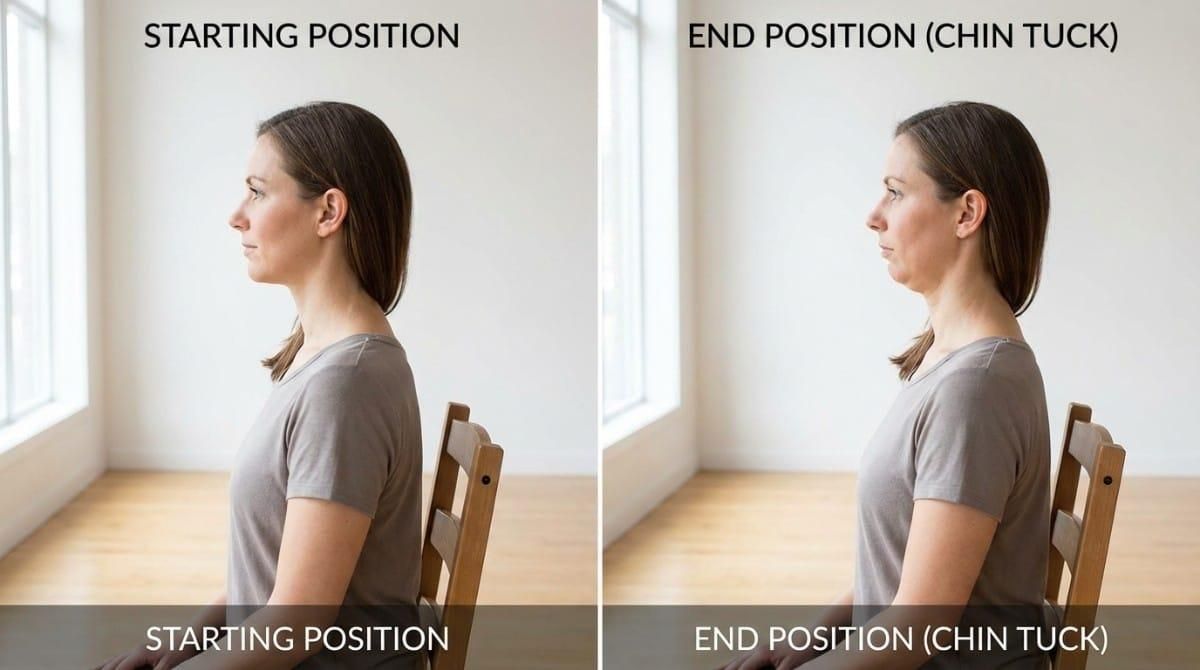
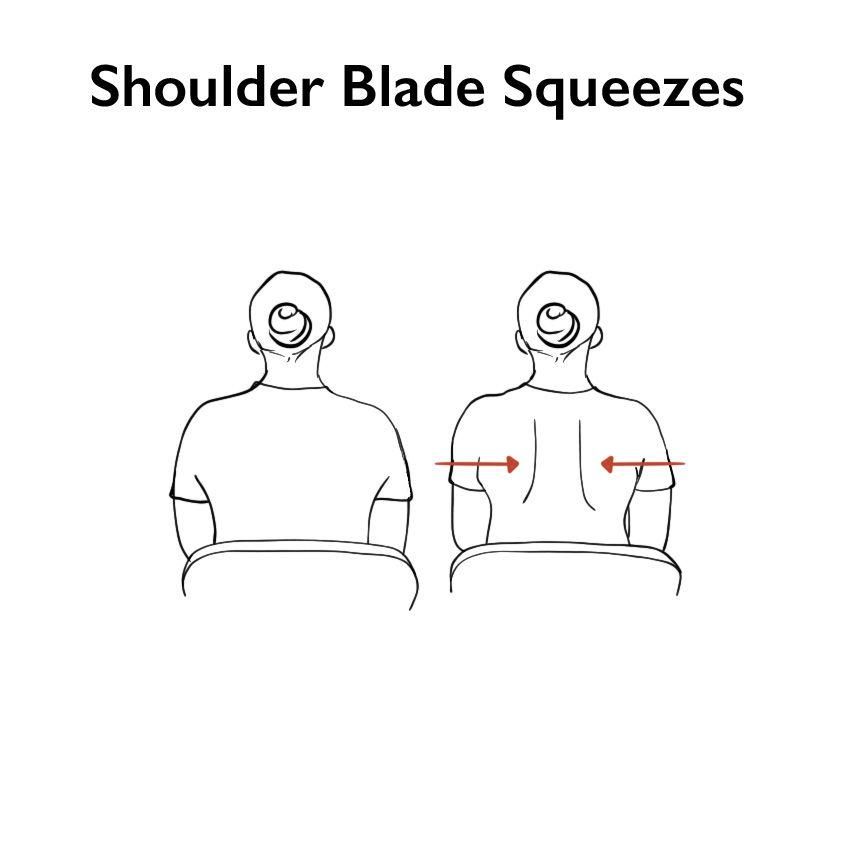
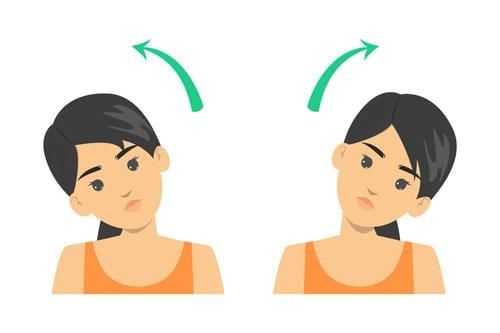
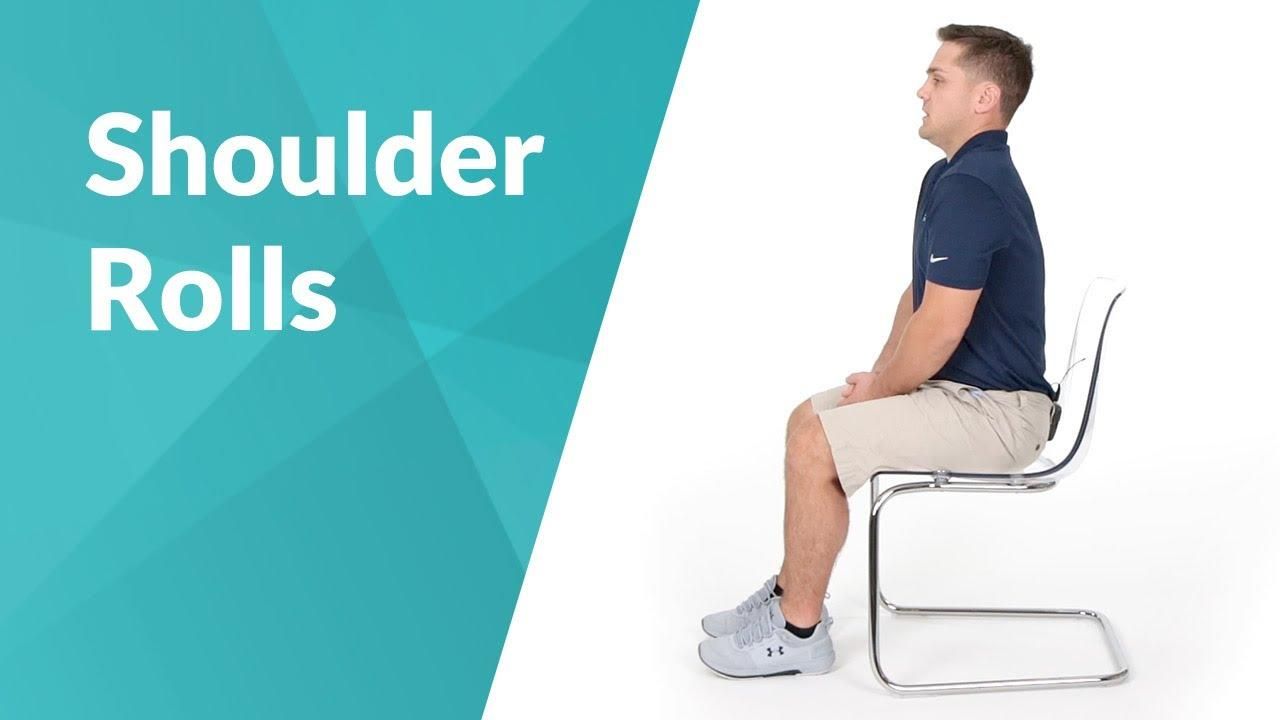
Do daily, pain-free range only:
- Chin Tucks → Gently pull your chin back to create a “double chin.” Hold briefly and release.
- Shoulder Blade Squeeze → Squeeze shoulder blades together as if holding a pencil; hold 15–30 seconds.
- Head Tilts → Tilt ear toward shoulder; hold and repeat on the other side.
- Shoulder Rolls →Inhale shoulders up toward ears, exhale rolling them down/back; repeat 5–10 times.
- Isometrics → Press the forehead or sides of your head against your palm for 5–10 seconds without moving your neck.
⚠️ When to Be Cautious - Sharp, radiating, or worsening pain
- Numbness/tingling in the arms
- Symptoms persisting beyond ~1 week
👉 In these cases, reduce self-treatment and consider professional assessment.
3. Lifestyle Habits to Prevent Stiffness:
- Take Movement Breaks: If you work at a desk, stand up, move, or stretch every 30 to 60 minutes. Following the 20-20-20 rule—every 20 minutes, look 20 feet away for 20 seconds—can also help reset your posture.
- Stress Management: Stress often manifests as tension in the neck and shoulders. Practices such as deep breathing, meditation, or yoga can help reduce this physical tension.
- Hydration: Drinking plenty of water helps maintain the elasticity of spinal discs and keeps muscles functioning well.