
Effective Home Care Techniques for Alleviating Shoulder Tightness


Understanding Shoulder Tightness
Shoulder tightness can be an uncomfortable and often debilitating condition that affects many people. Whether it's due to poor posture, repetitive movements, or stress, this discomfort can significantly impact daily activities. Understanding the causes of shoulder tightness is the first step in finding effective relief.
Common causes include muscle strain, tendonitis, or even underlying conditions like arthritis. It's crucial to identify the root cause to apply the most effective home care techniques. Consulting a healthcare professional is advisable for persistent issues.

Stretching and Mobility Exercises
Incorporating regular stretching and mobility exercises into your routine can greatly alleviate shoulder tightness. These exercises help improve flexibility and increase blood flow to the area, reducing tension.
Effective Stretching Techniques
Try the following stretches to ease shoulder tightness:
- Shoulder Circles: Gently rotate your shoulders in a circular motion to loosen up the muscles.
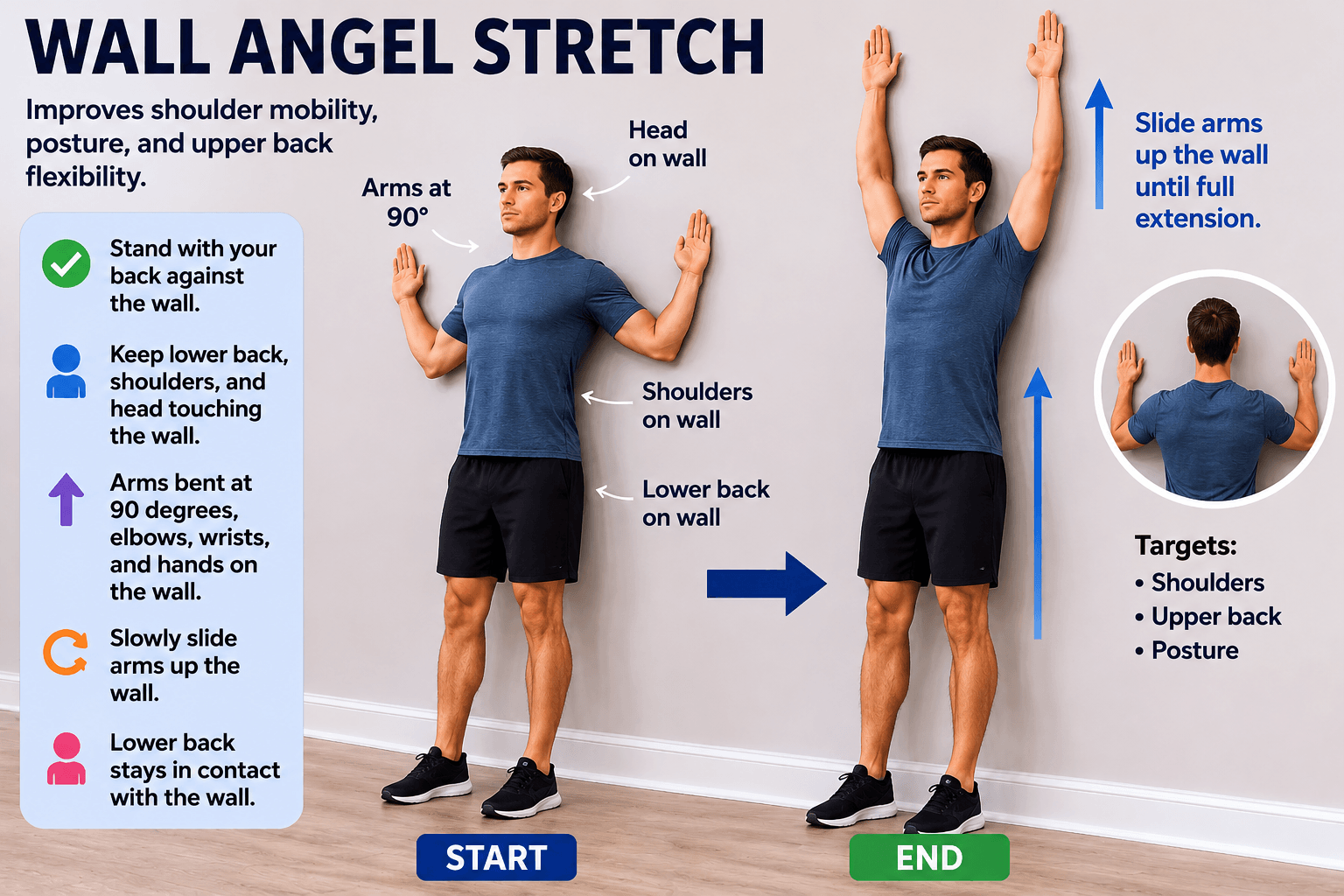
- Wall Angels: Standing against a wall, slowly raise and lower your arms while keeping them in contact with the wall.
- Cross-Body Arm Stretch — Pull one arm across your chest. Targets the posterior shoulder.
- Sleeper Stretch — Lie on your side, arm bent at 90°, press the forearm downward.
- Ear-to-Shoulder Stretch — Tilt head toward one shoulder to release the upper trapezius.
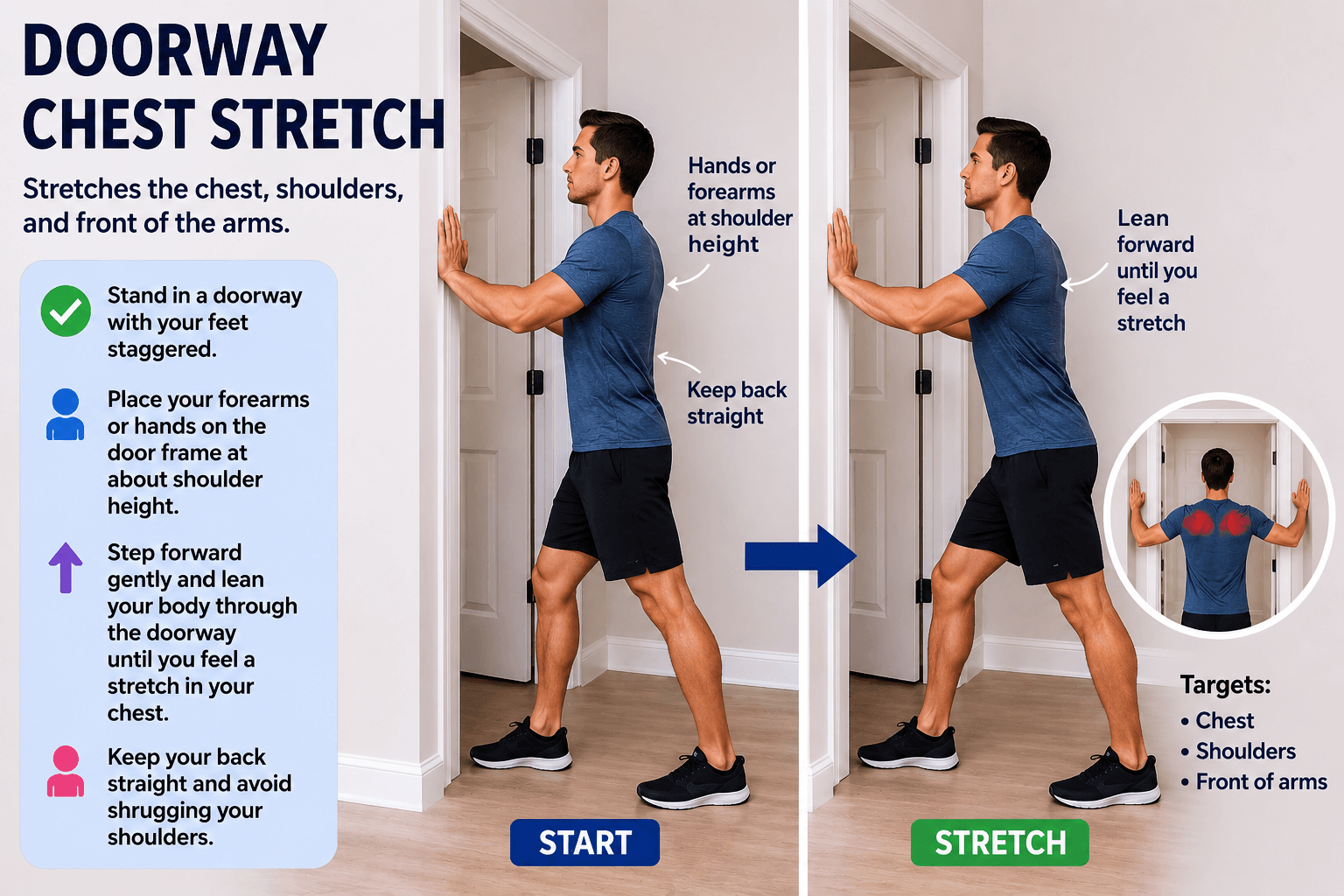
- Doorway Chest Stretch — Lean into a doorway with forearms on the frame.
Heat and Cold Therapy
Alternating between heat and cold therapy can be an effective method to reduce shoulder tightness. Heat therapy helps to relax and loosen tissues, while cold therapy reduces inflammation and numbs sore areas.
How to Apply Heat and Cold
Cold — Use for new, sharp, or inflamed pain. 15–20 minutes.
Heat — Use for chronic stiffness and achy tightness without swelling. Moist heat (warm towels, hot showers) is often preferred
Massage and Self-Massage Techniques
Massage can be a powerful tool in relieving shoulder tension. If professional massage isn't an option, self-massage techniques can be equally beneficial.
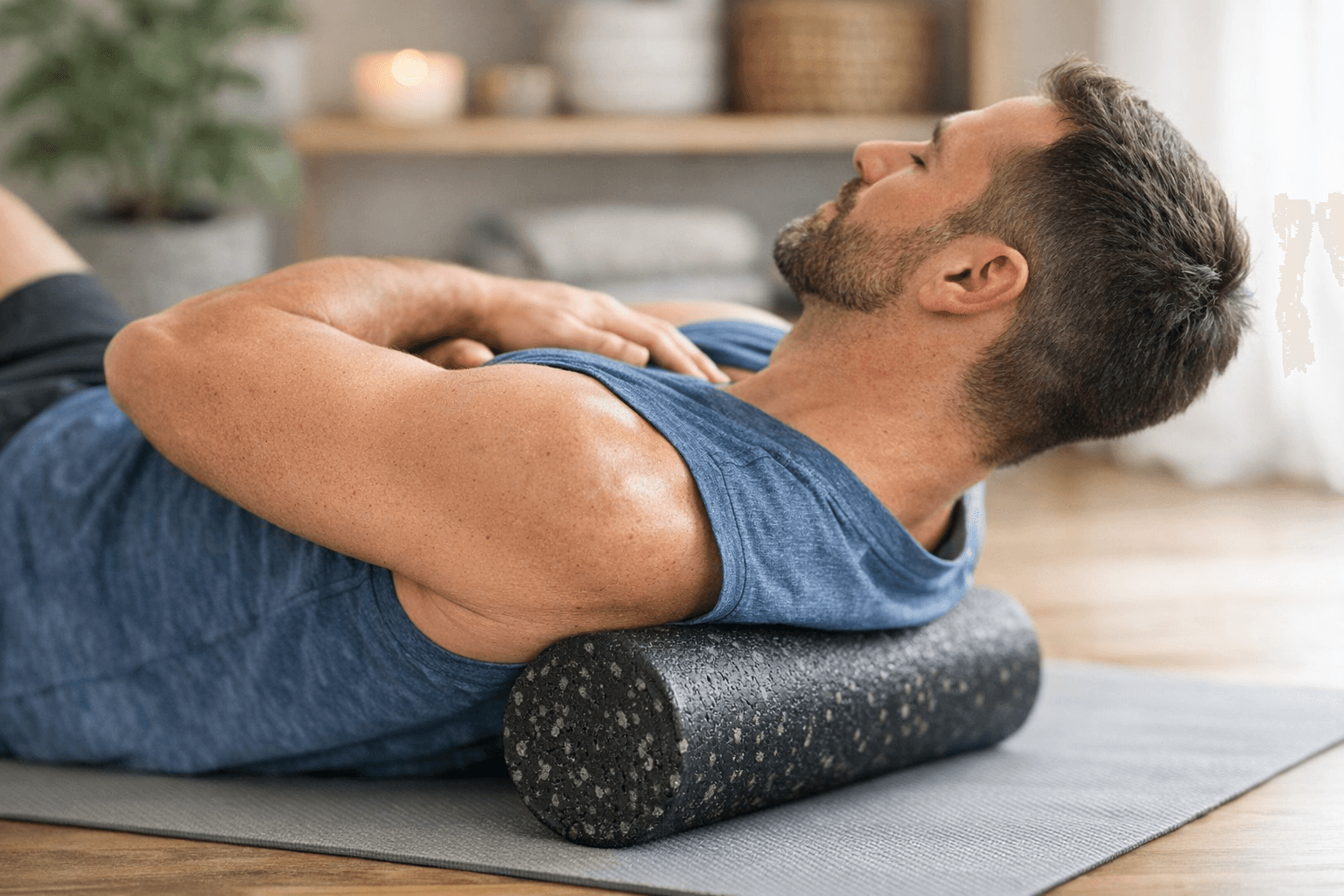
Simple Self-Massage and foam rolling Techniques
Treating muscle knots reduced shoulder pain and disability in 55% of patients after 12 weeks, as given in the PMC library. Roll slowly, pause on tender spots for 10–20 seconds, and follow with gentle stretching. According to the PMC library, a 2024 study found that combining myofascial release with exercise works better than exercise alone.
Posture and Ergonomics
Improving your posture and ensuring ergonomic alignment in your daily activities can prevent and alleviate shoulder tightness. Pay attention to how you sit, stand, and even sleep to reduce unnecessary strain on your shoulders.
Tips for Better Posture
Ensure your workstation is set up to keep your shoulders back and relaxed. Use ergonomic chairs and keyboards, and take regular breaks to stretch and adjust your position.
By integrating these effective home care techniques, you can significantly alleviate shoulder tightness and improve your overall quality of life. Remember, consistency is key, and always consult with a healthcare professional if symptoms persist or worsen.
When to See a Professional
Seek help if pain persists beyond 2–3 weeks of home care, you have numbness or weakness, pain wakes you at night, or you can't lift your arm above shoulder height. For Calgary residents, V4WELLNESS offers professional massage therapy with at-home exercise guidance.
Daily Routine at a Glance
| When | What |
| Morning | 5 minutes of shoulder rolls and stretches |
| Workday | Movement break every 30–45 minutes |
| After work | Heat or ice (15 min), then stretches and strengthening |
| Evening | Avoid sleeping on the affected shoulder |
The Bottom Line: Consistency beats intensity. A small daily routine of stretching, strengthening, and self-massage produces meaningful results for most people. Start with two or three stretches today, and build from there.
Disclaimer: This article is for educational purposes only. Consult a healthcare provider before beginning any new exercise program.